
Diverting Waste
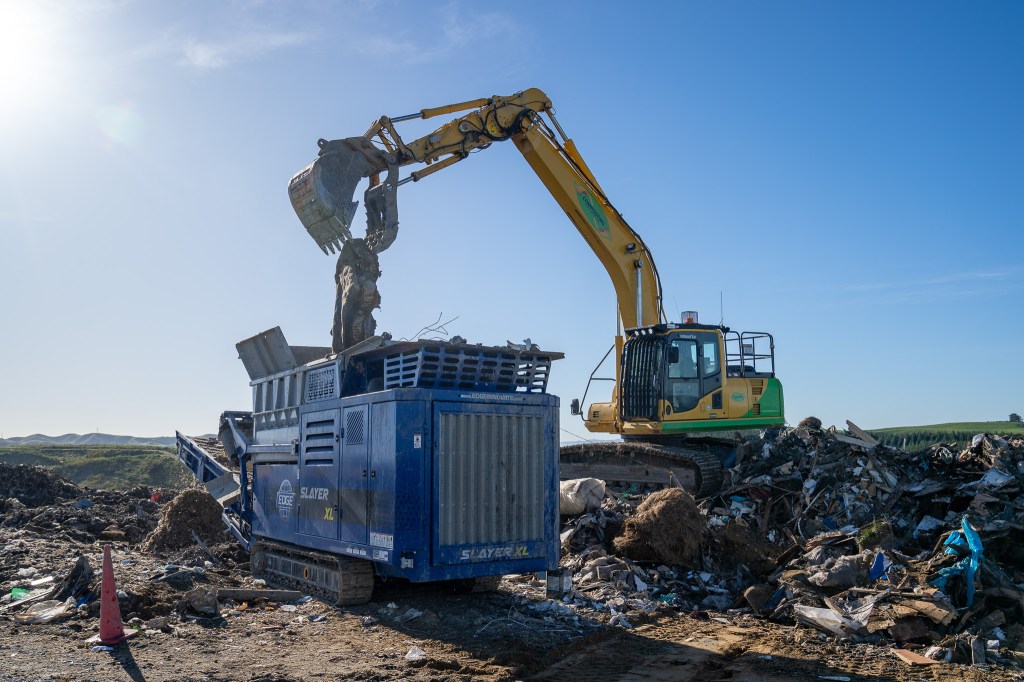
Organic waste in landfills often decomposes anaerobically, due to the lack of, or zero oxygen in a landfill environment. This is because organic waste, though when originally placed in landfill is exposed to oxygen, once more waste is placed on top, the organic waste is now buried underneath. This means that the bacteria which thrives with little oxygen then produces methane, a greenhouse gas, which in 2022 contributed to 30% of the rise in temperature on Earth. Click here to know more
Warning: Heavy reading ahead
Understanding Landfills:
Though organic waste in landfills is not the largest contributor to methane production, every effort to reduce it should be considered, as each individual plays a role in creating change, a concept explored by the likes of Thiele. Organic waste leachate can lead to groundwater contamination, producing contaminated liquid that may include heavy metals such as lead due to rainwater or other water entering the landfill. While there are requirements for landfill liners, it is widely accepted that all liners will eventually fail. Leachate often contaminates groundwater in New Zealand, and its treatment and monitoring are complicated due to factors like location and composition. Reducing organic waste in landfills, such as Tī Kōuka leaves, could help decrease pollution from methane and leachate, which affect the climate and waterways. Click here for references
Economic Benefits:
Economic benefits from reducing organic waste from landfill impact various sectors, including the costs of repairing environmental damage caused by pollutants. There are indirect economic losses from climate change in New Zealand, such as disruptions to businesses due to disasters like floods and droughts. These events can have significant national economic impacts. Proper waste management can help mitigate health and wellbeing risks associated with pollutants leaching from landfill sites. Reducing waste, especially organic waste that creates methane through decomposition, could decrease exposure to pollutants for those near landfills, and contribute to mitigating climate change. Click here for references
Social Impacts
The social impacts of landfill are suggested to be affected by health risks, quality of life, and property values. These factors contribute to the well-being of individuals, as the health risks are associated with pollutants. Living near a landfill, whether open or closed, can be linked to a variety of risks, including exposure to contaminants like leachate, which is difficult to mitigate once produced. Continuing methane production also poses a danger, affecting climate change and air quality by causing ground-level ozone, an air pollutant. There are also potential risks for ground sinking and site breaches due to erosions or floods, which can expose contaminants. These factors are not easily determined, as there is not enough evidence or modelling to strongly lessen the effects these pollutants have on individuals due to the range of contaminants. Unfortunately, due to New Zealand property laws, owning a property indicates responsibility for all contamination, causing strain on a person’s well-being and financial stress due to the costs of dealing with the responsibility for all contaminants. Click here for references
To prevent Tī Kōuka leaves from ending up in landfills, a system should be introduced to repurpose this organic fibre, reducing pollutants and landfill waste. While energy production from methane can be helpful, it may not be the most sustainable option for the long term, according to Zero Waste New Zealand Trust. By decreasing the space landfills take up, we can prolong their lifespan, preserving surrounding landscapes and groundwater. This report will consider the end of life of the material and its decomposing or repurposing process. Additionally, it presents an opportunity to showcase the use of national resources by indigenous groups. Tī Kōuka has a rich history of uses, including current applications by organizations like Rekindle, which shares traditional crafts using local materials and resources. By promoting the benefits of reducing organic waste, there are more opportunities for individuals to contribute to their local community through sustainable practices. Click here for references
 Aria Cressy