
The History of
Tī Kōuka in New Zealand
Photo by Casey Horner on Unsplash
Unravel History
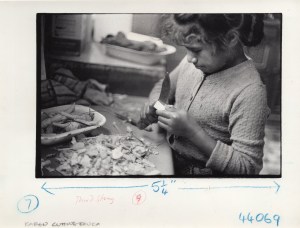
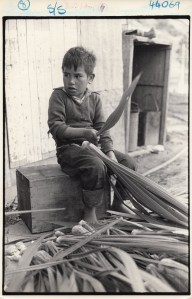
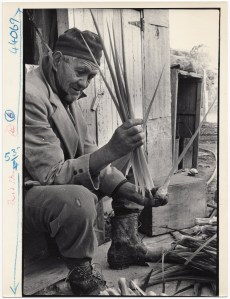
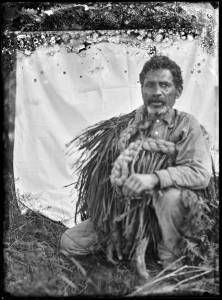
Learn about the past where Tī Kōuka roots, stems, and leaves have served diverse purposes. From historical texts such as Kirk (1889), which discusses its use for storage and papermaking, to its practical application in making ropes, baskets, and durable sandals, Tī Kōuka is a testament to ingenuity and resourcefulness.
Quick Links:
Gallery

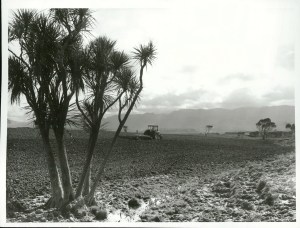

Historical Significance
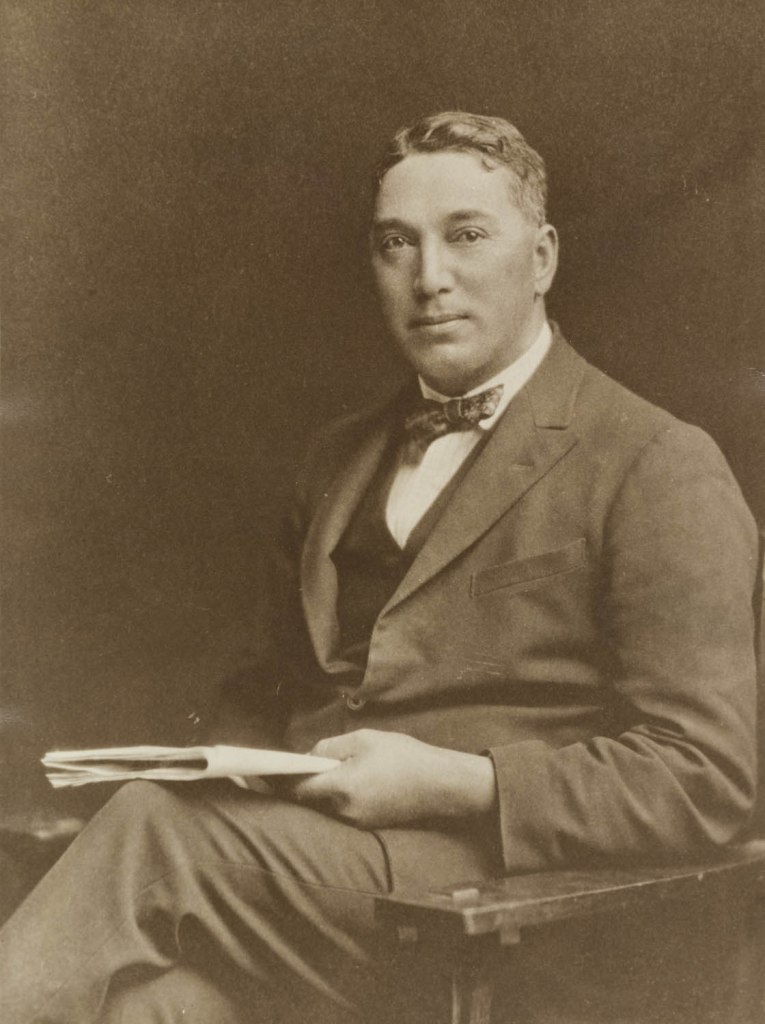
Sir Peter Henry Buck
Also known as Te Rangi Hiroa, was a notable figure in the history of New Zealand, excelling as a medical practitioner, anthropologist, and politician. As a person of both Māori and Pākehā descent, he made significant contributions to public health within the Māori community and became a leading scholar in Polynesian studies, specifically focusing on the material culture of New Zealand and its comparison to surrounding Polynesian cultures. Hiroa’s research delved into the uses of native fauna, such as Tī Kōuka leaves, and the differences in weaving and plaiting techniques between Māori and other Polynesian tribes.
According to Hiroa, the preparation of fibres often only used a shell, typically mussels or paua shells. The process depends on the type of weft, the strip(s) of material, used. The common three type of wefts used were natural wefts, white wefts, and dyed wefts. Hiroa stated that black was the only colour originally used in plaiting, however, red, yellow, and black were used in weaving cloaks. By using the Tutu mixture and combining it with mud, preferably mud with red rust, it turns into an ink black colour. Baskets made from Tī Kōuka leaves were often placed directly into the mud after completion of the design to be dyed black. Hiroa discussed that at the time, 1923, the art of plaiting was already heavily declining and changing, with dyes and materials now being sourced from imports. Click here for references
Industrialsation in New Zealand
During the years 1760 to 1860, England experienced major technological changes in the industrial revolution. Historians debated the impact of industrialization on labour workers, with pessimists seeing it as a time of exploitation and degrading conditions, while optimists pointed to increased access to consumer goods and rising living standards. The growth of cities led to pressure on resources, housing, and employment. New Zealand, from 1850 to 1960, heavily exported to England due to economic domination, facing economic vulnerability during the 1930s depression. Advocacy for local production over imports grew due to the risk of suffering from international market fluctuations. The 1970s to 1990s saw a decline in government support for local industries but an increased demand for services. Click here for references

Fighting for Survival
Tī kōuka: A Symbol of Resilience and Strength.
In 1987 Tī kōuka were heavily affected by a parastic organism called phytoplasma. This caused many historic and large trees to die causing sudden decline. Though there is no simple fix to tackle this organism, you can help out by planting more Tī kōuka / Cabbage trees and taking care of the ones you already have. Check out the Into the Backyard page for information on how you can use Tī kōuka in a variety of ways.


 Aria Cressy